Selecting the right ISO certification body in India can be the difference between smooth, cost-effective compliance and a prolonged, frustrating certification journey. With dozens of certification bodies operating across India, each claiming expertise, navigating this landscape requires understanding what truly matters.
This comprehensive guide goes beyond the basics to provide you with the insights needed to make an informed decision—whether you’re a startup seeking ISO 9001, a manufacturer aiming for ISO 14001, or an IT company pursuing ISO 27001.
What Are ISO Certification Bodies?
An ISO certification body (also called a Certification and Accreditation Body or CAB) is an independent, third-party organization authorized to conduct audits and issue ISO certificates to organizations that meet international standards.
Key characteristics:
- Independence: They operate independently and are not affiliated with organizations they certify
- Competence: Employ trained, experienced auditors qualified to assess specific standards
- Accreditation: Hold credentials from recognized accreditation bodies
- Authority: Issue certificates recognized globally and accepted by clients, regulators, and trading partners
Why Does Choosing the Right Body Matter?
Financial Impact
- Poor choice can result in failed audits requiring costly re-audits
- Wrong body might not understand your industry, extending audit timelines
- Credible bodies prevent certificate suspension or withdrawal
Operational Impact
- Experienced auditors identify genuine improvement opportunities, not just compliance checkboxes
- Industry-specific knowledge translates to practical implementation support
- Global recognition ensures your certificate is accepted by international clients and regulators
Reputation Impact
- Certificates from recognized bodies carry weight with clients and business partners
- Suspension or withdrawal of certification damages brand reputation
- Better bodies maintain higher audit standards, adding credibility to your certification
6 Critical Parameters for Evaluating ISO Certification Bodies
1. Accreditation Status: The Foundation of Credibility
What to look for:
- Accreditation from recognized bodies like IAF (International Accreditation Forum)
- Indian accreditation through bodies like ABIS, NABCB, or IAF member organizations
- Multiple standard accreditations (not just one or two)
- Clear accreditation scope matching your industry
Why it matters: Accreditation is a body’s credibility stamp. It means the certification body itself is regularly audited and meets international standards. A certificate from an accredited body carries far more weight than one from an unaccredited body.
Red flags:
- Claims of accreditation without providing documentation
- Accreditation with very niche, unknown bodies
- Recently accredited bodies (less than 2-3 years) with no track record
2. Industry Recognition and Reputation
What to look for:
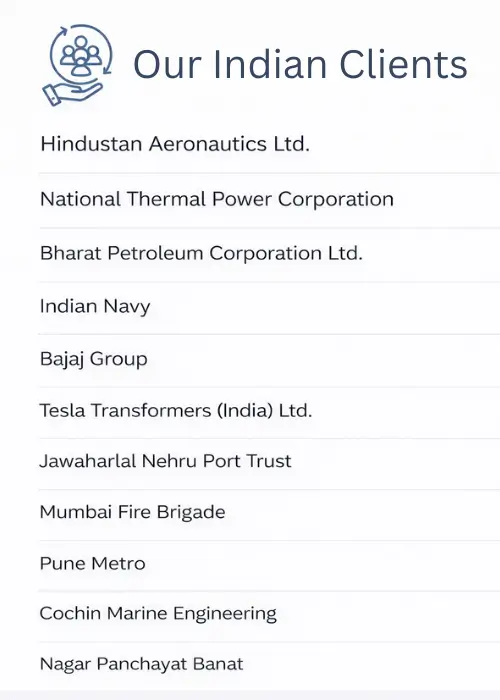
- Track record with recognized clients in your sector
- Client testimonials from reputable companies
- Industry-specific certifications held
- Long operational history (15+ years is ideal)
Why it matters: A body recognized in your specific industry understands sector-specific challenges. A certification body with 20 years of ISO 9001 certifications in automotive knows what automotive companies face. One without this experience will struggle to provide meaningful audits.
How to verify:
- Request client references in your industry
- Search for the body on NABCB and IAF websites
- Look at their website’s case studies and testimonials
- Check if they’re mentioned in industry publications
3. Auditor Competency and Experience
What to look for:
- Minimum 10-15 years of auditing experience for lead auditors
- Industry-specific expertise (not generalist auditors for specialized standards)
- Continuous training and professional development
- Published qualifications and certifications
Why it matters: An auditor is the face of certification. A competent auditor identifies real improvements, understands your context, and provides actionable recommendations. Poor auditors create checkbox compliance without real value.
Questions to ask:
- What’s the average experience level of auditors for my standard?
- Do they have auditors with my industry background?
- What ongoing training do auditors receive?
- Can I meet the audit team before engagement?
4. Accredited Standards Portfolio
What to look for:
- Accreditation for your specific standard
- Accreditation for complementary standards (e.g., ISO 14001 if pursuing ISO 9001 + environmental management)
- Breadth across multiple standards showing organizational capability
- Emerging standard accreditations (ISO 42001 for AI, ISO 50001 for energy)
Why it matters:
- Specialization demonstrates focus and expertise
- Ability to combine audits (e.g., integrated ISO 9001 + 45001 audit) saves time and cost
- Bodies investing in emerging standards show commitment to staying current
Standards to prioritize:
- ISO 9001 (Quality) – Foundation standard
- ISO 14001 (Environmental) – Growing requirement
- ISO 45001 (Occupational Health & Safety) – Increasingly mandatory
- ISO 27001 (Information Security) – Critical for IT and data-handling companies
- Industry-specific standards (ISO 13485 for medical devices, ISO 22000 for food, etc.)
5. Geographical Presence and Accessibility
What to look for:
- Physical offices or presence in regions where you operate
- Ability to conduct on-site audits without excessive travel costs
- Representation in your state/region
- Global reach if you operate internationally
Why it matters:
- Local presence means faster audit scheduling
- Reduced costs for multi-location audits
- Better understanding of regional regulatory requirements
- Easier follow-up communication
Questions to ask:
- Can auditors visit our location, or must we travel?
- What’s the typical timeline for audit scheduling?
- Do they have experience with our region’s regulatory environment?
6. Transparent Pricing and Process
What to look for:
- Clear, itemized pricing (not hidden fees)
- Pricing based on organization size, complexity, and audit days
- Documented certification process
- Fixed timelines with transparency on delays
Why it matters:
- Transparent pricing prevents budget surprises
- Documented processes ensure consistency and fairness
- Clear timelines help you plan resource allocation
Cost ranges in India (2026):
- Small organizations (10-50 employees): ₹25,000 – ₹75,000
- Medium organizations (50-250 employees): ₹75,000 – ₹200,000
- Large organizations (250+ employees): ₹200,000 – ₹500,000+
Top 10 ISO Certification Bodies Operating in India
1. Bureau Veritas (BV)
- Accreditation: IAF, with presence in 140+ countries
- Strengths: Massive global network, strong in manufacturing and automotive
- Standards: 50+ accredited standards
- Best for: Large organizations, international operations, manufacturing
- Contact: Multiple offices across major Indian cities
2. TÜV SÜD
- Accreditation: IAF accredited with German heritage
- Strengths: Technical excellence, strong in automotive and engineering
- Standards: 40+ accredited standards including ISO 45001, 14001, 9001
- Best for: Engineering, manufacturing, quality-focused organizations
- Geographic presence: Pan-India
3. BSI (British Standards Institution)
- Accreditation: IAF accredited, 120+ years history
- Strengths: Premium quality, strong in IT and information security (ISO 27001)
- Standards: 60+ accredited standards
- Best for: IT, SaaS companies, organizations prioritizing premium certification
- Note: Higher pricing but premium reputation
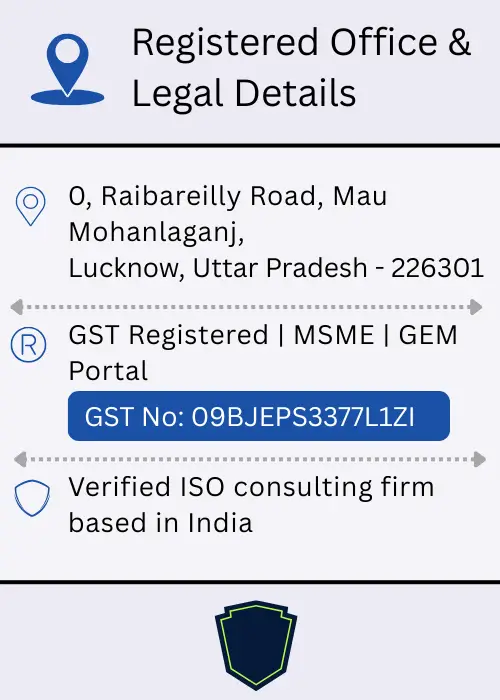
4. JS Certification
- Accreditation: Consultant Firm
- Strengths: Customer-centric approach, fast turnaround, technical expertise
- Contact: 07905612820
- Standards: 20+ accredited standards including ISO 9001, 14001, 45001, 27001, 27701
- Best for: Manufacturing, IT, mid-sized organizations, rapid certifications
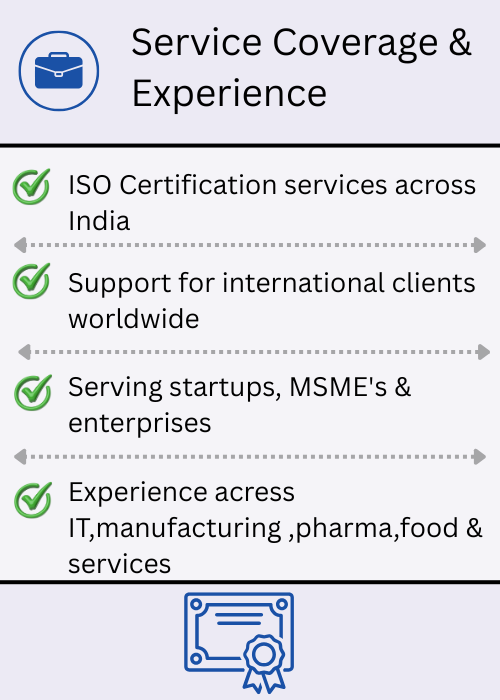
- Geographic presence: Pan-India +Global
- Unique advantage: Dedicated support team, transparent processes, competitive pricing with premium quality
5. TÜV Nord
- Accreditation: IAF accredited
- Strengths: Focus on quality systems, technical competence
- Standards: 35+ accredited standards
- Best for: Manufacturing, engineering, precision industries
- Geographic presence: Major metro areas
6. Intertek
- Accreditation: IAF accredited
- Strengths: Diversified sectors, testing and certification combined
- Standards: 45+ accredited standards
- Best for: Multi-sector organizations, those requiring testing + certification
- Best for: Manufacturing, consumer goods, food processing
Tier 2: Strong Regional/National Bodies
7. SIS Certifications
- Accreditation: IAS, UAF, Exemplar Global
- Strengths: India-focused, competitive pricing, strong auditor team
- Standards: 15+ accredited standards including ISO 9001, 14001, 45001, 27001
- Best for: Mid-sized organizations, startups, competitive pricing seekers
- Presence: Multiple offices including Gurgaon, Delhi, Bangalore
8. CERTIFICATIONS AND QUALITY ASSURANCE (CQA)
- Accreditation: NABCB accredited
- Strengths: Fast turnaround, customer-friendly, growing reputation
- Standards: 12+ accredited standards
- Best for: Organizations seeking quick certification, good communication
- Pricing: Competitive, mid-range
9. Indian Register of Shipping (IRS)
- Accreditation: IAF accredited
- Strengths: Strong in maritime, shipping, and heavy engineering
- Standards: 10+ accredited standards
- Best for: Shipping, port operations, maritime industries
- Geographic presence: Strong coastal presence
10. India Quality Foundation (IQF)
- Accreditation: NABCB, IAF
- Strengths: Focus on small and medium enterprises, affordable pricing
- Standards: 10+ accredited standards
- Best for: SMEs, startups, cost-conscious organizations
- Unique advantage: Special programs for MSMEs
Quick Comparison Table: India's Top Certification Bodies
| Body | IAF Status | Cost Range | Auditor Experience | Best For | Unique Strength |
|---|---|---|---|---|---|
| Bureau Veritas | Yes | High | 20+ yrs | Large manufacturing | Global network |
| TÜV SÜD | Yes | High | 18+ yrs | Automotive / Engineering | Technical excellence |
| BSI | Yes | Very High | 18+ yrs | IT / SaaS / Premium | ISO 27001 expertise |
| JS Certification | Yes (NABCB/IAF) | Medium-High | 15+ yrs | Manufacturing / IT / Mid-sized | Fast turnaround + Premium |
| TÜV Nord | Yes | High | 15+ yrs | Manufacturing / Precision | Quality focus |
| Intertek | Yes | High | 17+ yrs | Multi-sector | Combined testing |
| SIS Certifications | Yes (IAS/UAF) | Medium | 15+ yrs | Mid-sized / SME | India-focused, competitive |
| CQA | Yes (NABCB) | Medium | 12+ yrs | Quick turnaround | Fast delivery |
| IRS | Yes | Medium | 16+ yrs | Maritime / Heavy Eng | Shipping focus |
| IQF | Yes | Low-Medium | 12+ yrs | SME / Startups | Affordable |
How to Verify an ISO Certification Body's Credentials (Step-by-Step)
Before signing a contract with any certification body, always verify their credentials independently. Here’s a step-by-step process to ensure you’re working with a legitimate, accredited body:
Step 1 – Check IAF/NABCB Directory Visit the official IAF (International Accreditation Forum) website at iaf.nu or the NABCB (National Accreditation Board for Certification Bodies) website at qcin.org/nabcb and search for the certification body by name. If they don’t appear here, their accreditation claim may be false.
Step 2 – Verify the Specific Standard Scope Accreditation is standard-specific. A body accredited for ISO 9001 is not automatically accredited for ISO 27001. Always confirm that the body is accredited for the exact standard you need.
Step 3 – Cross-Check the Accreditation Number Every accredited body receives a unique accreditation number. Ask the certification body for this number and verify it directly on the accreditation body’s website.
Step 4 – Check Certificate Validity Accreditations have expiry dates. Confirm that the accreditation is currently valid and not suspended or withdrawn.
Step 5 – Request Sample Audit Reports A credible certification body will provide sample audit findings and reports (anonymized) so you can evaluate the depth and quality of their audits.
Step 6 – Speak with Existing Clients Ask the certification body for references from clients in your industry. A confident, reputable body will readily provide them.
Red Flags: Warning Signs of Unreliable ISO Certification Bodies
India’s ISO certification market has unfortunately attracted some fraudulent and sub-standard operators. Watch out for these serious warning signs:
- Unrealistically Low Pricing If a certification body offers ISO 9001 for ₹5,000–₹10,000 with no audit visit, it’s almost certainly fake or non-accredited. Genuine accredited audits involve man-days of professional auditing time, which has a real cost.
- No Physical Audit Visit A valid ISO certification requires a Stage 1 document review and a Stage 2 on-site audit at minimum. Any body offering certification without visiting your premises is issuing a fraudulent certificate.
- Certificate Issued in Days Real ISO certification takes weeks to months depending on your organization’s readiness. Certificates promised within 1–3 days without any audit are not worth the paper they’re printed on.
- Unverifiable Accreditation When you search their accreditation number on official databases and nothing appears, or the accreditation is with an obscure, unrecognized body — walk away.
- No Auditor Qualifications Shared Legitimate bodies readily share auditor CVs, qualifications, and experience. If they refuse or become evasive, it’s a red flag.
- Pressure Sales Tactics “Offer valid only today”, “limited slots available”, “50% discount if you pay now” — these are signs of a sales-driven operation, not a quality-focused professional body.
Industry-Specific ISO Certification Recommendations
Different industries have unique compliance needs. Here’s a quick guide to which standards and certification bodies to prioritize based on your sector:
- Manufacturing Priority standards: ISO 9001, ISO 14001, ISO 45001, IATF 16949 (automotive) Look for: Bodies with auditors who have hands-on manufacturing floor experience, not just administrative knowledge.
- Information Technology & SaaS Priority standards: ISO 27001, ISO 27701, ISO 20000-1, ISO 42001 (AI) Look for: Bodies with cybersecurity-specialized auditors and experience auditing cloud environments, data handling practices, and access control systems.
- Food & Beverage Priority standards: ISO 22000, HACCP, FSSC 22000, BRCGS Look for: Bodies accredited by GFSI (Global Food Safety Initiative) recognized schemes, with food technologist auditors.
- Healthcare & Medical Devices Priority standards: ISO 13485, ISO 45001 Look for: Bodies with medical device regulatory expertise and knowledge of CDSCO (Central Drugs Standard Control Organisation) requirements in India.
- Education Priority standards: ISO 21001, ISO 9001 Look for: Bodies experienced in auditing educational management systems, understanding of academic processes and student outcome measurement.
- Construction & Real Estate Priority standards: ISO 9001, ISO 14001, ISO 45001 Look for: Bodies familiar with project-based management systems and site safety requirements.
- Export-Oriented Businesses Priority standards: ISO 9001 + any buyer-mandated standard Look for: Bodies with IAF-accredited certificates recognized in your target export markets (Europe, USA, Middle East).
The ISO Certification Process: What to Expect Step by Step
Understanding the certification journey helps you prepare properly and choose a body that guides you through each stage effectively.
Phase 1 – Application & Gap Analysis (Week 1–2) Submit your application to the certification body. A preliminary gap analysis is conducted to assess your current management system against the requirements of the standard. This helps identify areas needing improvement before the formal audit.
Phase 2 – System Development & Implementation (Week 3–8 depending on readiness) Based on the gap analysis, you implement the required policies, procedures, and controls. The certification body should not consult here (to maintain independence), but they can clarify requirements.
Phase 3 – Stage 1 Audit / Document Review (Week 9–10) The auditor reviews your documented management system — policies, procedures, objectives, and records — to check readiness for the Stage 2 audit. This is typically conducted remotely or on-site for half a day to a full day.
Phase 4 – Stage 2 Audit / On-Site Audit (Week 11–12) This is the main certification audit. Auditors visit your premises, interview employees, observe processes, and verify that your documented system matches actual practice. Findings are categorized as Major Non-Conformances, Minor Non-Conformances, or Opportunities for Improvement.
Phase 5 – Corrective Action & Decision (Week 13–15) If non-conformances are identified, you must address them within an agreed timeframe. The certification body reviews corrective actions and makes a certification decision.
Phase 6 – Certificate Issuance (Week 15–16) Upon successful completion, your ISO certificate is issued. The certificate is valid for 3 years, subject to annual surveillance audits.
Phase 7 – Surveillance Audits (Year 1 & Year 2) Annual surveillance audits verify continued compliance. Failing surveillance audits can result in certificate suspension.
Phase 8 – Recertification Audit (Year 3) A full recertification audit is conducted before the 3-year certificate expires to renew your certification.
Common Mistakes Organizations Make When Choosing a Certification Body
Learning from others’ mistakes can save you time, money, and frustration:
- Choosing Solely on Price The cheapest option rarely delivers the best value. An unaccredited or low-quality body may issue a certificate that’s rejected by your clients or government tenders, rendering the entire investment worthless.
- Not Checking Industry Experience A certification body excellent at ISO 9001 for manufacturing may be completely out of depth auditing an IT company’s ISO 27001 implementation. Always verify sector-specific experience.
- Ignoring the Auditor Assignment The assigned auditor matters as much as the certification body itself. Ask who your auditor will be, review their qualifications, and ensure they have relevant industry experience.
- Skipping the Audit Plan Review Always review the audit plan before the audit begins. Ensure the scope covers all relevant areas of your business and that adequate time is allocated.
- Not Understanding the Certificate Scope The scope statement on your certificate defines what is certified. An overly narrow scope may exclude operations your clients expect to be covered. Review this carefully.
- Treating Certification as a One-Time Event ISO certification is a continuous commitment. Organizations that treat the initial audit as a finish line, rather than a starting point, often fail surveillance audits.
Why JS Certification Is the Right Choice
At JS Certification, we’ve built our reputation on one principle: certification should create real value for your organization, not just a certificate on your wall.
- NABCB & IAF Recognized Accreditation Our certifications carry the full weight of international recognition, accepted by clients, regulators, and trading partners worldwide.
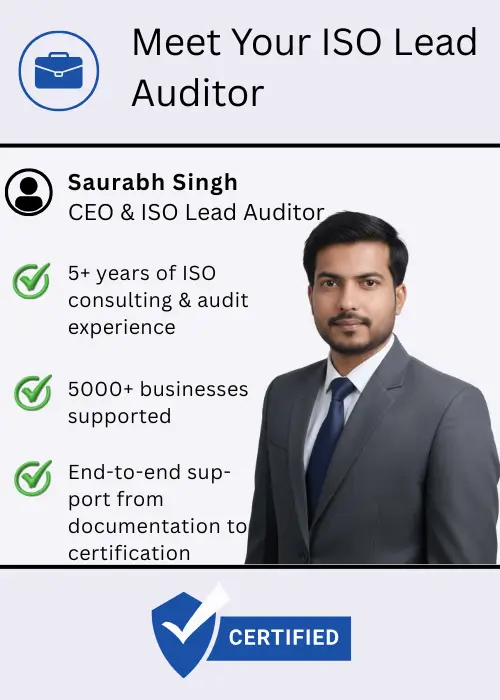
- 15+ Years of Auditing Excellence Our lead auditors bring deep industry experience across manufacturing, IT, food, healthcare, education, and more. You won’t get a generalist auditor for a specialized audit.
- Fast Turnaround Without Cutting Corners We understand business timelines. Our structured process ensures you receive your certification efficiently without compromising audit quality or integrity.
- Transparent, All-Inclusive Pricing No hidden fees. No surprise charges. We provide clear, itemized proposals so you know exactly what you’re paying for before you commit.
- Pan-India + Global Reach Whether you’re in Delhi, Mumbai, Bangalore, Lucknow, or operating internationally in the UAE, Saudi Arabia, USA, or Malaysia — our auditors come to you.
- Dedicated Client Support From application to certificate issuance, you have a dedicated support team guiding you through every step. We are reachable 7 days a week.
- Integrated Management System Audits Need ISO 9001 + ISO 14001 + ISO 45001 simultaneously? We conduct combined audits that save you up to 40% in time and cost compared to separate audits.
Frequently Asked Questions
Not mandatory for all private sector use, but NABCB accreditation is recognized by the Indian government and is often required for government tenders and public sector contracts. For international recognition, IAF membership of the accreditation body is the key requirement.
ISO certificates are typically valid for 3 years, subject to successful annual surveillance audits in Year 1 and Year 2.
Yes. If you're dissatisfied with your current certification body, you can transfer your certificate to another accredited body. The new body will review your existing certificate, audit history, and non-conformance records before accepting the transfer.
There is no limit. Many organizations hold multiple ISO certifications simultaneously — for example, ISO 9001 + ISO 14001 + ISO 45001 in an integrated management system (IMS). Integrated audits save time and cost.
Absolutely. Certificates from IAF-accredited bodies — whether Indian or international — carry equivalent recognition. What matters is the accreditation status, not the country of the certification body.
Certificate suspension means your organization no longer has valid ISO certification. This is a serious matter that can affect client contracts, government tender eligibility, and business reputation. You must resolve all non-conformances and pass a review audit to reinstate your certificate.
No. ISO certification certifies that your management system meets the standard's requirements — it certifies processes, not end products. However, a well-implemented management system consistently produces better-quality outcomes.